


USA Basketball reportedly spent a staggering $15 million to house, feed, and transport the men’s and women’s basketball teams during the Paris Olympics, according to Forbes. This “embarrassment of riches” highlights not only the substantial resources available to USA Basketball but also the growing influence of Name, Image, and Likeness (NIL) deals in sports, which have transformed collegiate athletics and are now making waves internationally.


Lithuanian basketball executive Paulius Motiejūnas expressed concern about the ripple effects, remarking,
“I know the salaries players make in the NCAA, and what they are paying now is completely nuts and breaks the market. There is no motivation for European clubs to keep growing young players. But this is something on the table for FIBA as well.”
The NCAA’s financial clout has outpaced European clubs, attracting top-tier talent and setting the stage for an exciting season. However, this trend raises concerns about its impact on other leagues around the world.
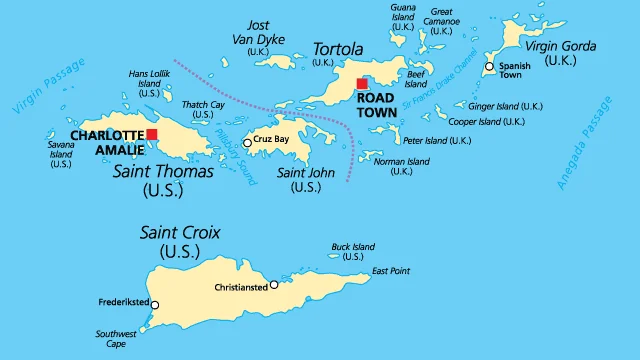
Virgin Islands Impact
Closer to home, the Virgin Islands has historically exported much of its athletic talent to the U.S. mainland, yet several notable athletes, such as Ronald Charles, Tim Duncan, Kevin Sheppard, Cuthbert Victor and Craig Williams, have stayed and graduated locally.
The introduction of NIL deals in high school sports, particularly in states like Florida, makes it increasingly difficult to retain local talent. For instance, Raja Bell’s son, Dia, was reportedly offered a multi-million dollar NIL deal from Texas University as a high school quarterback. If local stars like Tim Duncan had access to NIL deals during their youth, their earning potential would have been enormous. The loss of these players would have had a significant impact on Virgin Islands basketball.
While supporting families’ decisions to pursue better opportunities is understandable, the exodus of talent contributes to stagnation for the territory’s sports programs and leaves local gyms emptier. This constant rebuilding cycle has been an enduring challenge.
The Role of Local Businesses
In combat of this, local businesses could step in by offering NIL deals to standout athletes across sports—basketball, football, baseball, volleyball, soccer, and track and field. For example, Amayoa’ah Phillips from the University of the Virgin Islands (UVI) seems like a promising candidate. A well-spoken young man with a prominent family presence on social media and reality TV, Phillips could become the first local athlete to land an NIL deal.
Leveraging Tourism
The U.S. Virgin Islands Department of Tourism has already capitalized on the Brand Ambassador concept, partnering with professional athletes like Aliyah Boston (WNBA), Nicolas Claxton (NBA), and Alex Swan (Golf), as well as college athletes Mervin James (Rider University) and Michelle Smith (Georgia). These ambassadors help spotlight the territory on a global stage. Expanding this strategy to include influential figures like University of Arizona guard Jada Williams, who boasts 700,000 Instagram followers, could further enhance the Virgin Islands’ visibility.
Financially, the Virgin Islands cannot compete with larger nations. For example, Puerto Rico’s star guard, Tremont Waters, has publicly criticized the compensation offered by his national federation, noting that NIL deals often surpass what players earn in international play.
Challenges and Future Prospects
Locally, compensating players remains a distant goal. The Virgin Islands’ senior men’s national team has faced these challenges for years, even before NIL became mainstream. One player, after inquiring about compensation, stopped communicating with the team upon learning there was no salary offered.
However, progress has been made. Virgin Islands teams have moved away from past hardships—such as players having to pay for their own meals while traveling—and now provide basic compensation and improved support. Achieving more will require a stronger Virgin Islands economy and greater involvement from local businesses.
In order to sustain and grow sports in the territory, a unified effort from the community, businesses, and government will be essential. While the road ahead is challenging, investing in the next generation of athletes could yield transformative results for the Virgin Islands.






Leave a Reply