


Eight years after a serial rapist terrorized women on the East End of St. Thomas, the identity of the assailant remains a mystery. Despite the mountain of evidence that includes the rapist’s DNA profile, a composite sketch aided by victims’ descriptions and a $10,000 reward for information leading to an arrest authorities never even got close to naming a suspect.
“What I can tell you is that it is still under active investigation,” Glenn Dratte, V.I.P.D.
spokesman said on Friday.


What We Know
Early 2016, police on St. Thomas began receiving 911 calls about a shadowy figure prowling in the early morning hours outside of the East End homes of women who lived alone. Over the next few months, the “Peeping Tom” escalated from creeping outside of houses to breaking in and brutally assaulting victims at gunpoint.
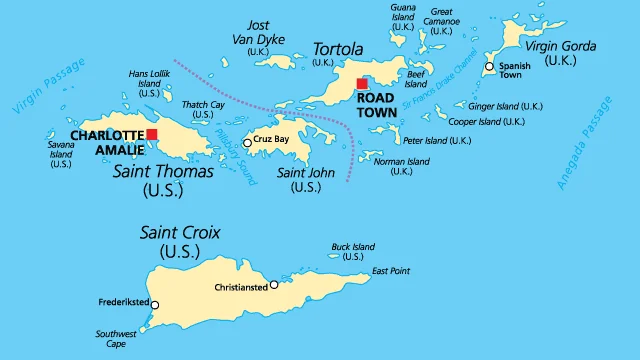
The first reported case was in Smith Bay, east of Red Hook. The rapist entered the home of a woman in the Pillsbury Heights neighborhood at about 4:30 a.m. The victims were pistol-whipped when she fought back.
Weeks later, he struck again. Another woman was raped at gunpoint inside her home in Frydenhoj. The attacker – described as a 5-foot-5, 125-130-pound slender Black man with a Caribbean accent – was calm and methodical…kind of like he had done it before,” the victim told the Daily News at the time.
In January the following year, the rapist, using his same MO, attacked a third woman in her home in Frydenhoj in the early morning hours. She told police she was raped at gunpoint.

In the East End case ample evidence was gathered. Rape kits were completed. The assailant’s DNA profile was uploaded to federal Combined DNA Index System (known as CODIS) to determine if he, perhaps, had struck elsewhere. Survivors’ descriptions were used to draft a composite sketch circulated during meetings with community members.
The evidence was never matched to a known person.
“We did all these composites on the suspect. We did a lot of monitoring of the areas, and obviously there’s been nothing else and we’re still trying to figure out if we can come up with a suspect,” then-police Commissioner Delroy Richards Sr. said at the time. “We don’t even know if he’s around or anything like that.”
Lesson Learned, Police Say
Police came under intense scrutiny around that time because days had gone by before authorities released information to the public about the assaults. East End residents had gathered to discuss ways to combat violent crime on their own. It wasn’t until after the publicized brain-storming that police released the composite drawing of the assailant. Dratte, the police spokesman, said he attended other townhall meetings where the public lamented the lack of information about the rapes at the time. He said the department “learned a lesson” about alerting the public to sexual assaults in a timely fashion.
“We changed some of our practices,’” said Dratte.







Leave a Reply